
A Seat at the Table: Two Black Women Advocating for Equitable Access to Obesity Care
November 23, 2026
As families and friends gather around the table this Thanksgiving, conversations about health, family, and the future will undoubtedly take place. But when it comes to decisions about health care coverage, are Black women’s voices being heard at the tables where those decisions are made?
With 57% of Black women living with obesity, equitable access to comprehensive obesity care is more important than ever. Yet, the experiences and perspectives of Black women are too often overlooked in conversations that directly affect their health.
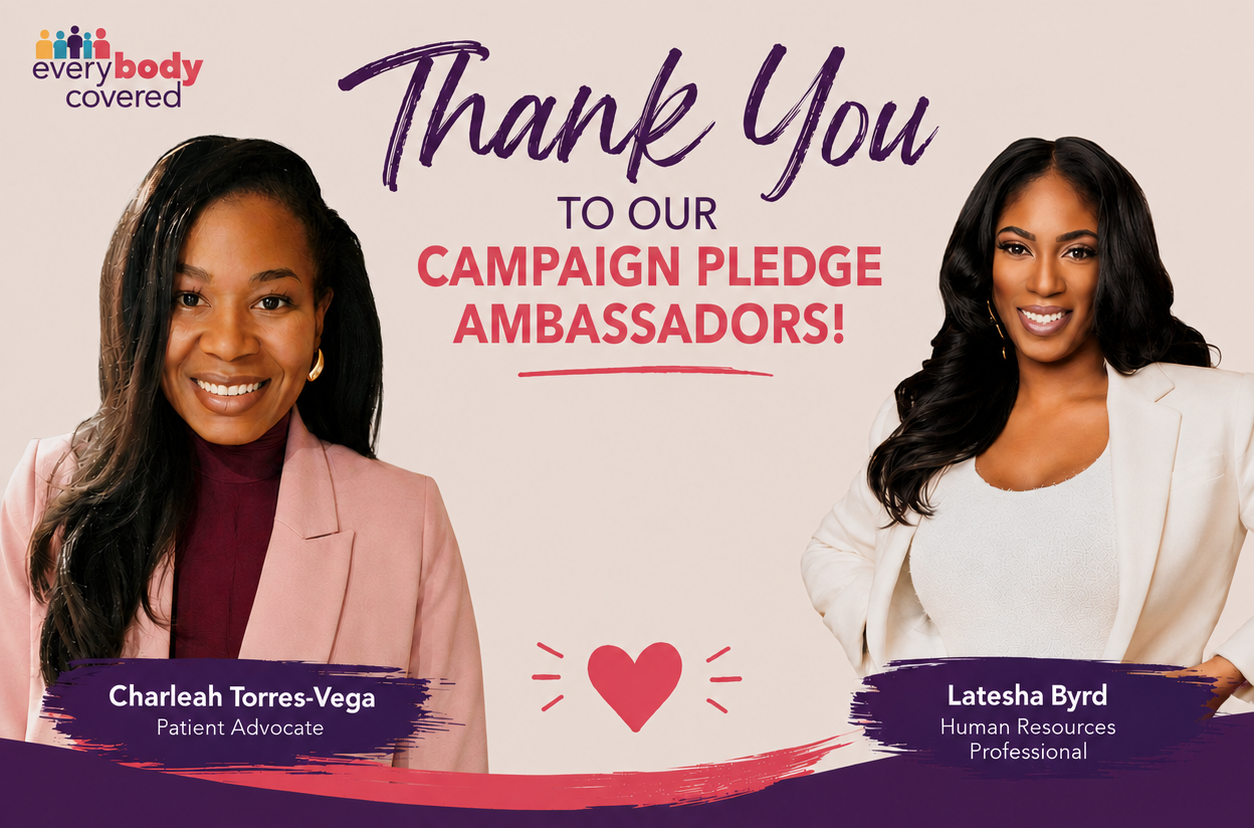 Charleah Torres-Vega and Latesha Byrd are working to change that. As ambassadors for the Black Women’s Health Pledge, an initiative of EveryBODY Covered, both women are using their voices and experiences to advocate for coverage for evidence-based obesity care and encourage others to join the movement.
For Charleah, that advocacy is deeply personal. An obesity care advocate who has lost 100 pounds, she understands firsthand that managing obesity is an ongoing journey. Despite her progress, the medication that helps her maintain her weight loss is now being denied coverage.
“We wouldn’t tell someone with asthma your breathing is better, so you no longer need coverage for your inhaler. Why should obesity be any different?” Torres-Vega asks.
Her experience highlights a persistent challenge for people living with obesity: access to treatment can become uncertain even when care is working. As Charleah emphasizes, treatment does not stop mattering simply because someone has made progress. Obesity is a chronic disease, not a personal failure, and ongoing access to appropriate care is important at every stage, from beginning treatment to managing long-term health.
For Latesha Byrd, CEO of Perfeqta, a People Strategy Firm, advancing equitable access to obesity care also means engaging employers and the people responsible for shaping workplace benefits.
“I’m supporting the Black Women’s Health Pledge with EveryBODY Covered because I believe Black women deserve health care coverage that gives us access to the full range of care we may need,” Byrd shared in an August LinkedIn post.
Byrd believes employers have an important role to play in closing coverage gaps and ensuring employees have coverage for the care they need. She encourages those who influence employee benefits decisions to make obesity care part of the conversation.
“If you’re in a position at your company to shape employee benefits, make sure obesity care is a part of the conversation,” Byrd urges.
Together, Torres-Vega and Byrd bring two important perspectives to the effort to expand access to obesity care: the lived experience of navigating treatment and the leadership needed to influence policies and workplace benefits.
Their shared commitment reflects the purpose of EveryBODY Covered’s Black Women’s Health Pledge, which calls attention to the disproportionate impact of obesity on Black women and advocates for access to comprehensive, evidence-based care.
Through the pledge, the EveryBODY Covered campaign is encouraging individuals and employers to recognize existing coverage gaps, amplify the experiences of Black women, and take meaningful steps toward improving access to obesity care.
This Thanksgiving, as we gather around tables with the people who matter most, it’s worth remembering that everyone deserves to have their voice heard in the conversations that shape their health and their future. Black women deserve a seat at the table, too, especially when decisions about their health care are being made.
Charleah and Latesha are helping make that possible. Now, they’re inviting others to join them.
Pull up a seat. Add your voice. Sign the Black Women’s Health Pledge and join Charleah, Latesha, and EveryBODY Covered in advocating for equitable access to comprehensive obesity care.